Los pazos de Ulloa
by Emilia Pardo Bazán
Spanish • Public Domain • Free to stream
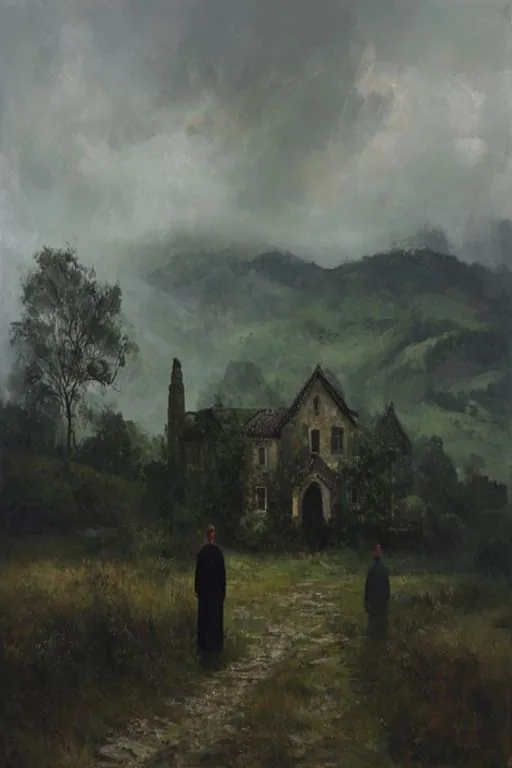
Los pazos de Ulloa (1886) by Emilia Pardo Bazán is the most important naturalist novel in Spanish literature. A young idealistic priest, Julián, is sent as chaplain to the Ulloa manor in rural Galicia, where he encounters moral decadence, illegitimate children, political corruption, and a world where brutality passes for normality. Pardo Bazán — Spanish countess, feminist and pioneer of naturalism — applied Zola's method to Spain without abandoning spiritual hope. Brutal, beautiful, and urgently relevant. Stream in native Spanish with Elvira's voice.
About the book: Los pazos de Ulloa
The novel Los pazos de Ulloa was published in Spanish in 1886. Its story continues in the 1887 novel La madre naturaleza. English translations of the work were later published by Penguin Classics in 1990 and republished by Pocket Penguins in 2016.
Set in rural Galicia in the mid- to late 19th century, the story follows a meek and profoundly religious priest named Julián Álvarez who is assigned as chaplain to a dilapidated estate belonging to the arrogant marquis of Ulloa, Pedro Moscoso. Julián tries to sort out the long-neglected affairs of the estate, where he encounters ruthless management by the majordomo Primitivo, an illegitimate union involving the marquis and Primitivo's daughter Sabel, and complex social tensions. The marquis eventually marries Marcelina, known as Nucha, leading to a tense domestic life, a deterioration in Nucha's health, and tragic consequences.
The author of the novel is Emilia Pardo Bazán. The story was later adapted into a television series directed by Gonzalo Suárez, which premiered in 1985.
Frequently Asked Questions
Is Los pazos de Ulloa free to listen to?
Yes, completely free. No account, no subscription, no ads. Public domain.
Who was Emilia Pardo Bazán?
Spanish countess and novelist (1851-1921) from Galicia. One of the first great female voices in Spanish literature, pioneer of naturalism, and early feminist. She was denied entry to the Real Academia Española solely due to her gender.
Does it have a sequel?
Yes — La madre naturaleza (1887) continues the story of the same characters in the same Galician setting.