Zápisky z mrtvého domu
by Fyodor Dostoevsky
Czech • Public Domain • Free to stream
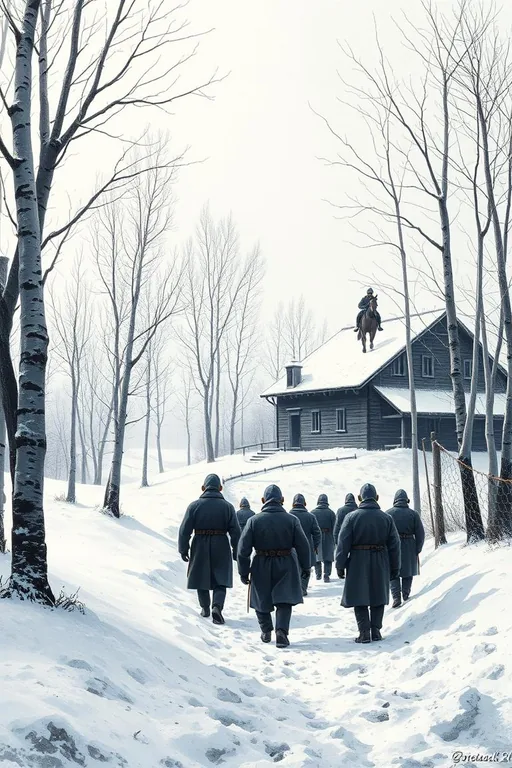
Zápisky z mrtvého domu (The House of the Dead, 1862) is Fyodor Dostoevsky's semi-autobiographical account of four years spent in a Siberian prison camp, based on his own imprisonment from 1850 to 1854 after being convicted of political conspiracy. Narrated through a fictional frame, it is one of the most unsparing portraits of human suffering ever written — and one of the most moving.
Dostoevsky depicts the daily life of convicts with unflinching honesty: the brutal conditions, the rigid hierarchy among prisoners, moments of unexpected kindness, and the stubborn persistence of the human spirit even in the harshest circumstances. The book profoundly influenced his later masterworks, including Crime and Punishment and The Brothers Karamazov.
Available here in Czech — stream free, no account required.
About the book: Zápisky z mrtvého domu
The House of the Dead is a semi-autobiographical novel written by Russian author Fyodor Dostoevsky. It was published from 1860 to 1862 in the journal Vremya. The book is based on Dostoevsky's own experiences as a prisoner, following his sentence of four years in a forced-labour prison camp in Siberia and a further six years of exile.
The novel portrays the life of convicts in a Siberian prison camp and is generally considered to be a fictionalised memoir. Organised around theme and character rather than a conventional plot, the book is a loosely-knit collection of descriptions, events and philosophical discussion. It matters because it portrays the inmates with sympathy while depicting the existence of the prison and its savage corporal punishments as a tragic fact for both the prisoners and for Russia.
During his time in prison, which allowed him to describe the conditions of prison life and the characters of the convicts with great authenticity, Dostoevsky began experiencing the epileptic seizures that would plague him for the rest of his life.
Frequently Asked Questions
Is Zápisky z mrtvého domu free to listen to?
Yes, completely free to stream. No account, no subscription, no ads. It is in the public domain.
Who wrote Zápisky z mrtvého domu?
Fyodor Dostoevsky, based on his own four years in a Siberian prison camp (1850–1854).
Is it available in English?
Yes — click "Listen in English instead" above to stream the English translation, The House of the Dead.
How long is Zápisky z mrtvého domu to listen to?
Zápisky z mrtvého domu takes approximately 5 hours to listen to in full.
When was Zápisky z mrtvého domu written?
Zápisky z mrtvého domu was first published in 1862. It is now in the public domain and free to stream.
Who narrates Zápisky z mrtvého domu?
Zápisky z mrtvého domu uses AI multi-voice narration. Each character has a distinct voice — narrators, heroes, villains and supporting characters all sound different, making it easy to follow the story.
Can I download Zápisky z mrtvého domu?
No download is needed. Zápisky z mrtvého domu streams directly in your browser — no app, no account, no signup required. Just press play.
What genre is Zápisky z mrtvého domu?
Zápisky z mrtvého domu is classic literature. It is a classic work of literature now in the public domain.