Gothic Classic Audiobooks
Dracula • Frankenstein • Poe • Free forever • No signup • No ads
The greatest gothic classics ever written — vampires, monsters, madness and the unknown. All narrated in distinct natural voices: each book has its own narrator, carefully chosen to match the mood of the story. No robot voices, no one-size-fits-all — just rich, atmospheric listening, completely free.
No signup • No ads • No subscription • Stream instantly in your browser
Complete Guide to Gothic Fiction
Gothic fiction has a way of pulling readers into dark, uneasy places — the kind that feel like they might creak when no one's there. Old castles, stormy nights, and secrets locked behind heavy doors show up again and again. Even if you've never finished a full gothic novel, you've probably felt that pull through movies, TV shows, or modern books you picked up on a whim. And that mood often sticks around longer than you expect.
These stories aren't just about scares. Gothic fiction often looks at how fear mixes with love, and how guilt settles into the darker sides of human nature. Clear answers don't come easily. Emotion and mystery are tangled together. The tone can feel romantic, but it's almost never cheerful. It leans toward obsession and loss — that's why it connects so closely with dark romanticism literature.
Where Gothic Fiction Began
Gothic fiction started to take shape in the late 1700s, right during a time of big change across Europe. Science was moving fast, and long-held religious beliefs were starting to feel less certain. Gothic stories gave those worries a clear shape.
Most scholars point to Horace Walpole's The Castle of Otranto from 1764 as the first true gothic novel. It brought in ideas that still feel familiar today: haunted places, broken family lines, and strange events that might be supernatural, or might not be. That constant sense of doubt runs through the story.
Early gothic fiction often pushed back against neat logic and strict order. Writers leaned into strong emotions and chaos. Scholars like David Punter note that the genre often stretches feelings and situations to bring hidden fears into the open. Emotion usually comes first, and calm reasoning comes later, if at all.
Why Gothic Stories Still Matter Today
The genre is still very much alive. Horror fiction hit a record-breaking sales year in 2024, and editors are seeing more dark, gothic-leaning submissions. Gothic fiction often overlaps with horror — that shared space helps explain why it feels familiar again.
| Trend | What It Shows | Year |
|---|---|---|
| Horror book sales | Record-breaking growth | 2024 |
| Agent submissions | More gothic and horror themes | 2024 |
| Genre blending | Gothic mixed with fantasy and thrillers | 2024–2025 |
Platforms like BookTok have pushed gothic novels into view again. Striking covers and moody quotes tied to dark visuals pull in new readers fast. Gothic fiction still speaks to modern worries, just updated for today.
Core Themes of Gothic Fiction
- Isolation — Characters placed in lonely settings: crumbling castles, remote houses far from help. Being cut off gives fear space to grow.
- The past returning — Family secrets and old mistakes don't stay buried. They come back and demand attention.
- Madness and inner conflict — The danger may look supernatural, but it often comes from within.
- Dark romanticism — Love that is intense, risky, and rarely steady.
Classic Gothic Novels You Should Know
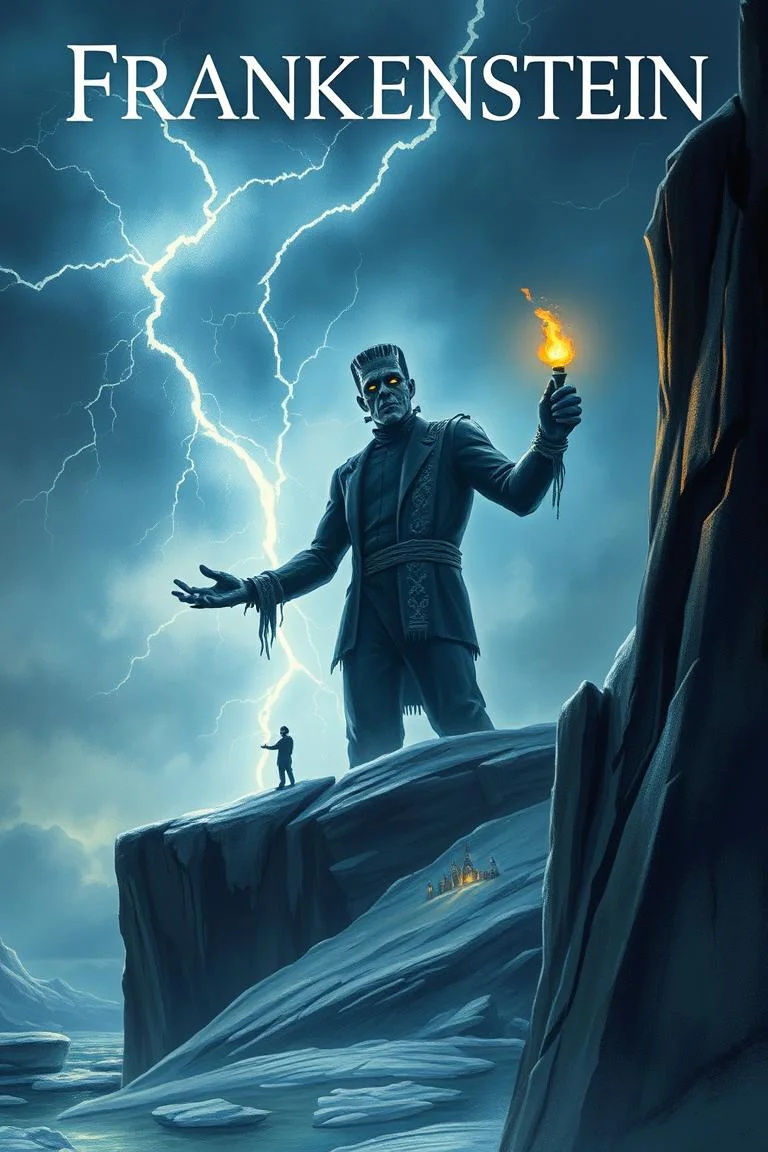
Mary Shelley's Frankenstein — Examines creation and responsibility, with loneliness running through the whole story. Heavy emotions and uneasy tone place it firmly in the gothic tradition.
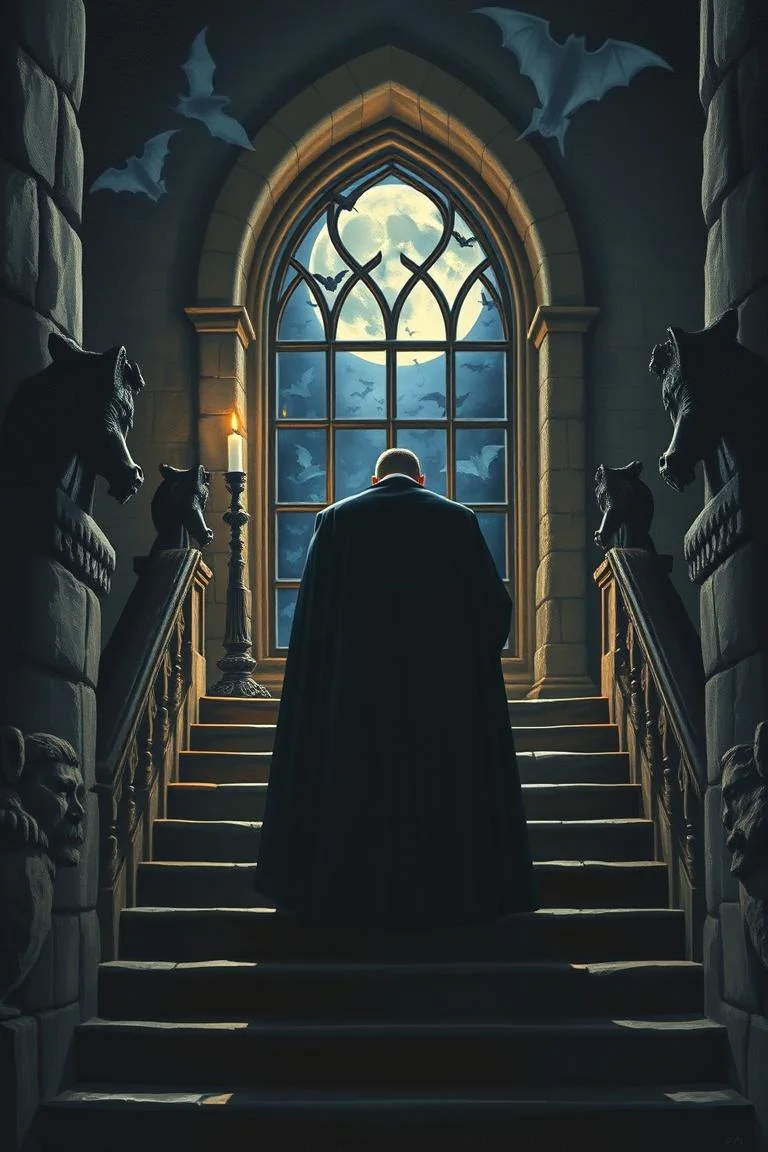
Bram Stoker's Dracula — One of the most well-known monsters in literature. Explores fears around illness and desire, and worries about foreign influence in Victorian England.
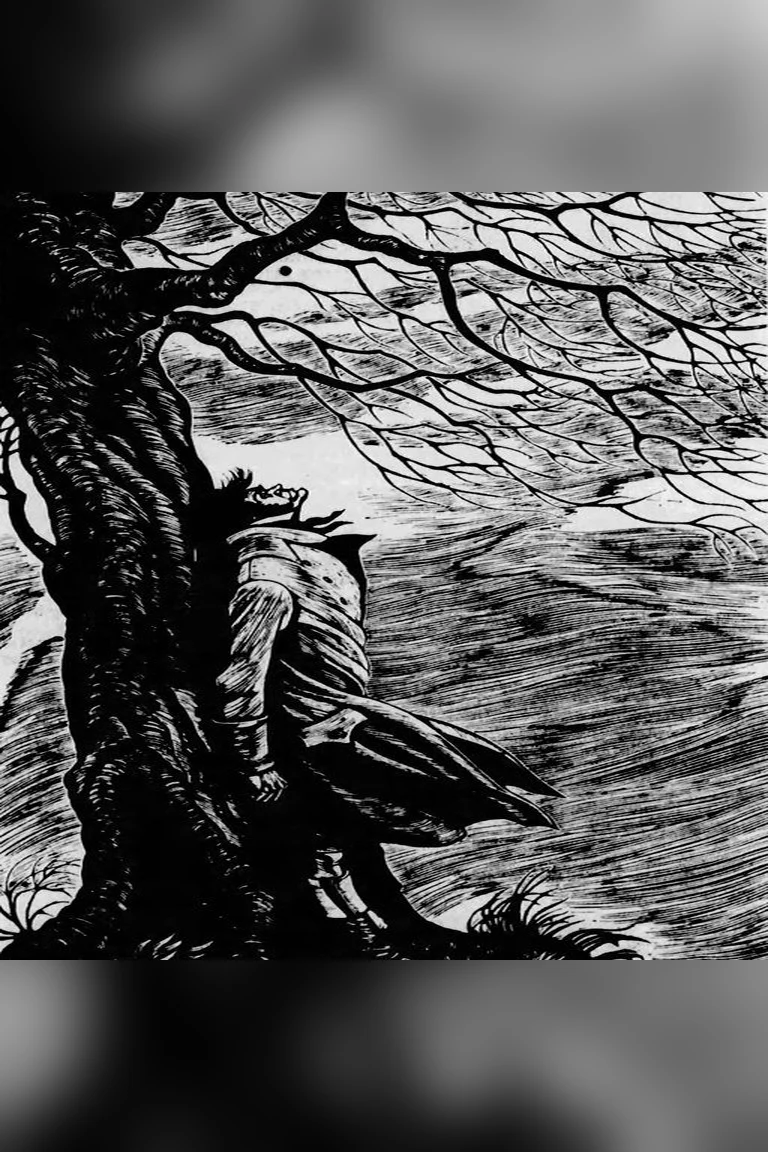
Wuthering Heights — Blends romance with gothic mystery. The shadowy moors, hidden passions, and Heathcliff's obsession give the story constant tension.
Edgar Allan Poe's The Fall of the House of Usher — Focuses on decay and mental breakdown. Proves gothic fiction doesn't need to be long to feel heavy.
New readers often expect fast action, but gothic novels usually move slowly. The mood builds over time, and atmosphere matters more than quick events.
Modern Gothic and Genre Blending
In modern gothic fiction, fear often settles into places like schools or cities, where pressure and isolation slowly build. Writers keep reworking familiar ideas, letting mood and setting do most of the heavy lifting.
Gothic elements now show up inside fantasy or thrillers. Stories focused on identity and trauma use classic gothic tools but turn them toward themes that feel current. The classics below are where it all started — stream any of them free, no signup, no ads.
How to Start Reading Gothic Fiction
Audiobooks are an unexpected way into gothic fiction. With the right narrator, the dark mood often feels stronger and more personal, pulling listeners in faster than you might expect. All 10 titles below stream free — no app, no signup, no ads.
- ‣ Start with Dracula or Wuthering Heights — both are approachable entry points
- ‣ Some stories focus on atmosphere, others go much darker — check the descriptions below
- ‣ Read slowly — mood builds over time, and gothic fiction rewards patience
Gothic Fiction: Common Questions
What is gothic fiction in simple terms?
Gothic fiction mixes mystery and fear, shaped by strong emotions. Think dark places and secrets, often exploring hidden truths or inner struggles.
Are gothic novels always scary?
No — some feel unsettling, with mood and sadness leading the way, and fear often coming after.
What is the difference between gothic fiction and horror?
Gothic fiction leans on atmosphere and emotional tone. Horror goes for clearer shocks or scares. The line can blur.
Is dark romanticism literature the same as gothic fiction?
They're connected, but not the same. Dark romanticism leans toward emotion and inner struggle; gothic fiction focuses more on setting and mystery.
Which gothic novel is best for beginners?
Wuthering Heights or Dracula — both are approachable if you take your time. Stream either free below.
About These Audiobooks
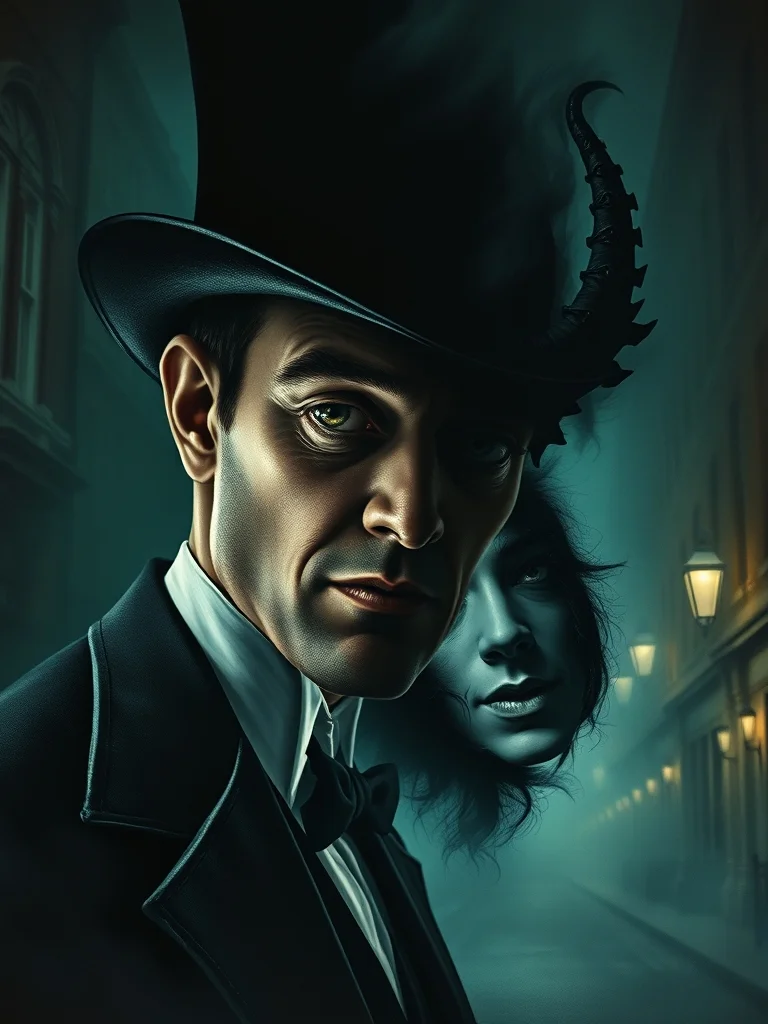
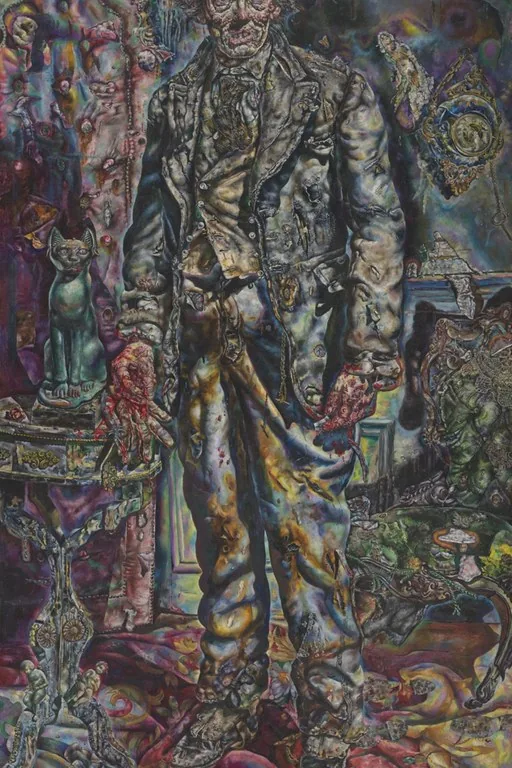
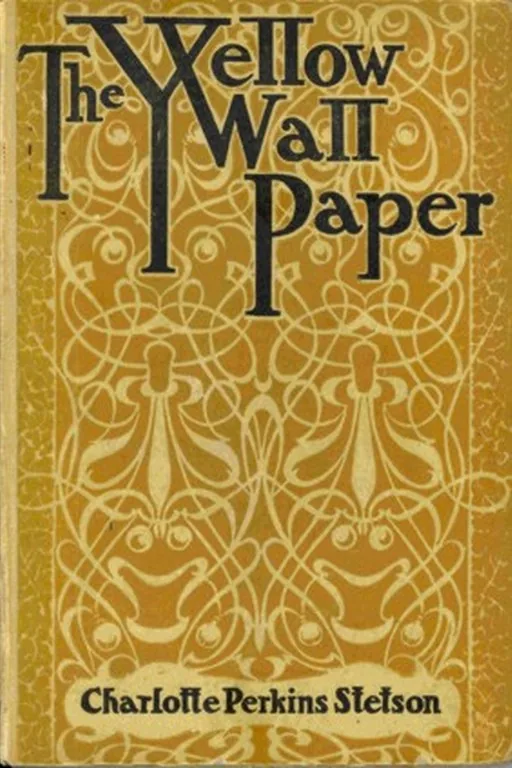
Gothic fiction is one of literature's great gifts — stories that use darkness, beauty and the unknown to explore what it means to be human. These ten titles represent the best of the genre: from the psychological horror of Poe and the body horror of Stevenson, to the romantic darkness of Brontë and the vampire mythology of Stoker and Le Fanu.
What makes this collection unique: every audiobook uses a different natural neural voice, chosen to match the character and tone of each story. Dracula sounds different from Poe. Wuthering Heights sounds different from Dorian Gray. Because they are different — and they deserve to be heard that way.
All titles are in the public domain. All stream directly in your browser. No app, no account, no subscription — completely free, forever.