Classic Science Fiction Audiobooks
H.G. Wells • Jules Verne • The books that invented the future • Free forever • No signup
The novels that invented science fiction. Before Hollywood, before video games, before the internet — these writers imagined time travel, invisible men, submarines in uncharted oceans, and Martian invasion. Stream them free, narrated in natural voices matched to each story's tone.
No signup • No ads • No subscription • Stream instantly in your browser
What Is Classic Science Fiction?
Classic science fiction is the body of work that asked the big questions first. What happens if science goes too far? What would we find if we could travel through time? What if we weren't alone? These weren't idle thoughts — they were serious attempts to imagine futures that felt possible, even inevitable.
Unlike modern sci-fi, which often leans on technology as background detail, classic science fiction puts the idea at the centre. The science is the story. That's why these novels still feel fresh: the questions they asked haven't been answered yet.
H.G. Wells: The Man Who Invented Tomorrow
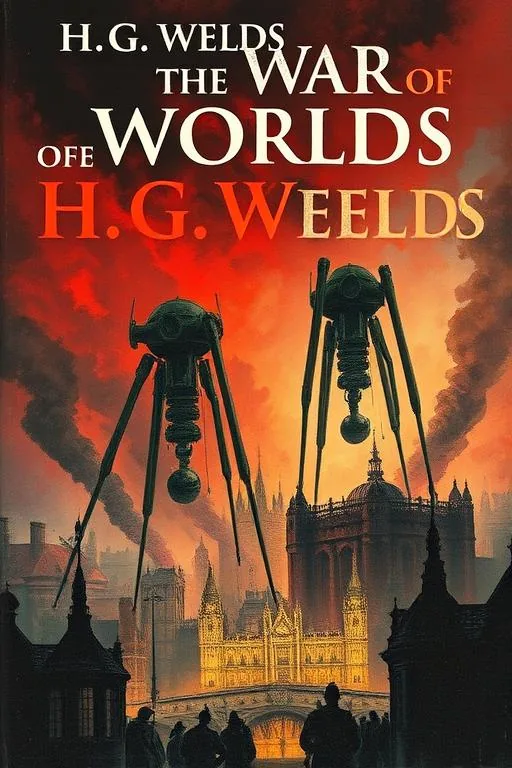
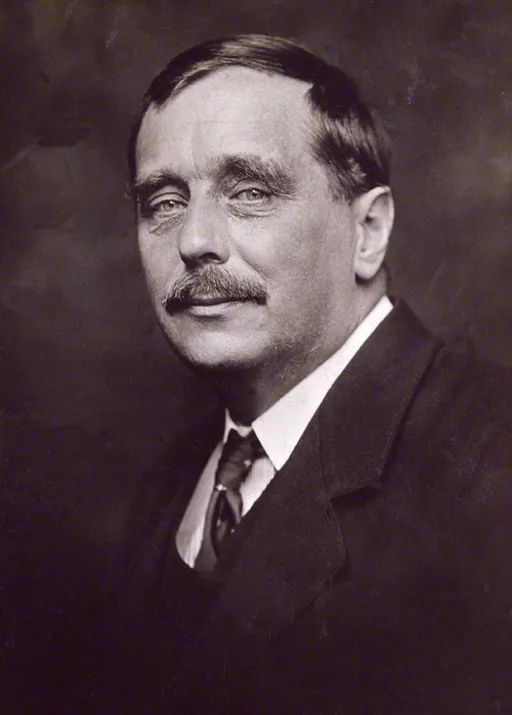
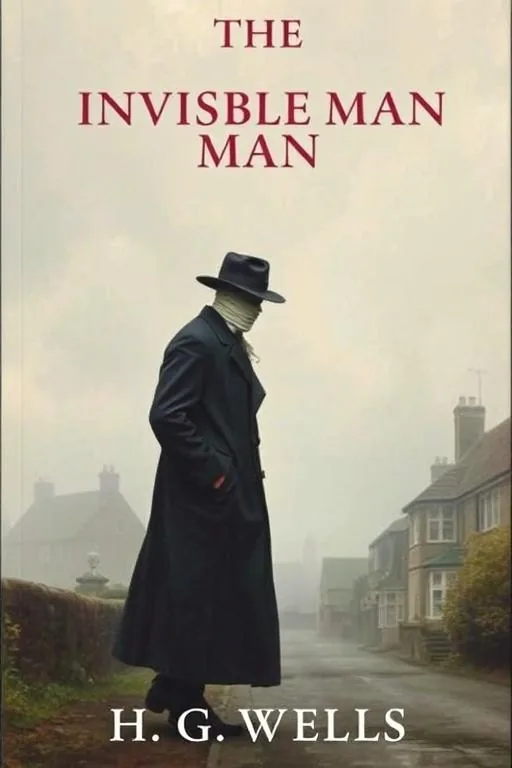
Herbert George Wells wrote the blueprint for modern science fiction in a burst of creativity in the 1890s. The Time Machine (1895), The Island of Doctor Moreau (1896), The Invisible Man (1897), The War of the Worlds (1898) — four genre-defining novels in four years. Each one invented or defined a concept that science fiction still uses today.
Wells wasn't just telling stories. He was warning people. The War of the Worlds used Martian invasion to force Victorian England to imagine what it felt like to be colonised — something Britain was doing to the rest of the world at the time. The social commentary was sharp enough to survive 125 years.
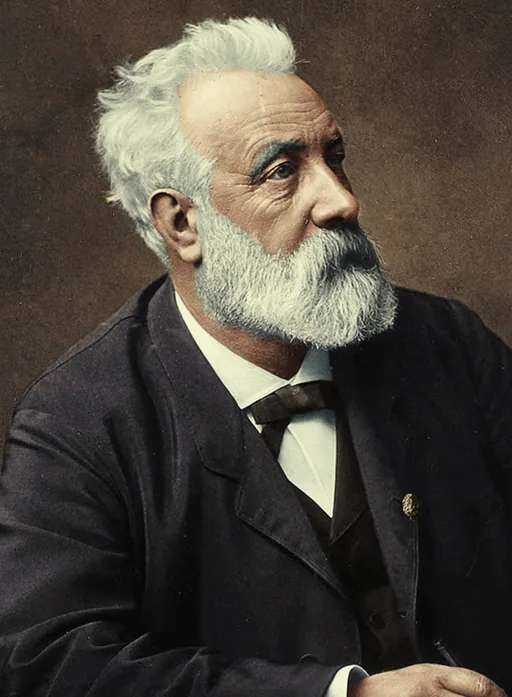
Jules Verne: Adventure at the Edge of the Possible
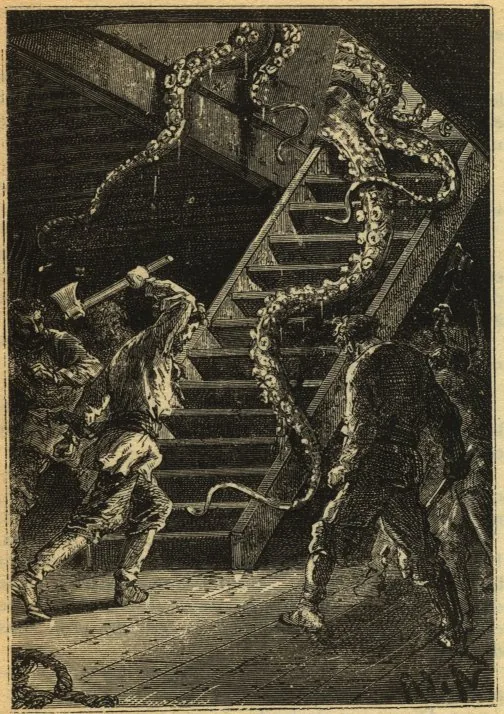
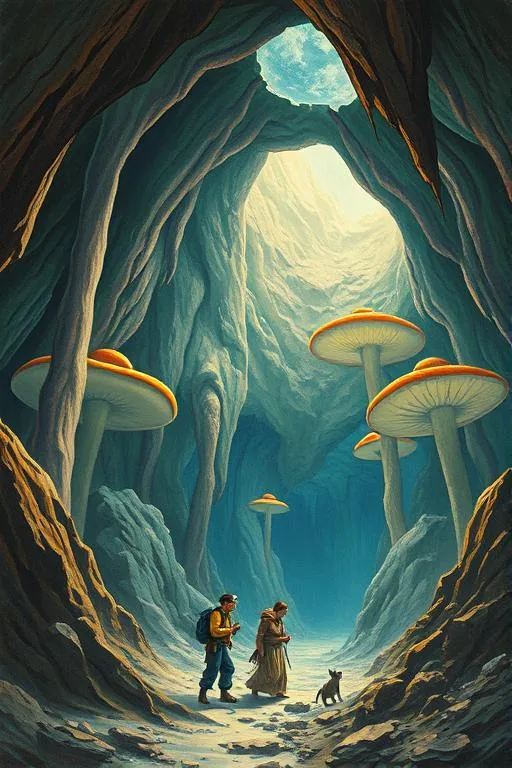
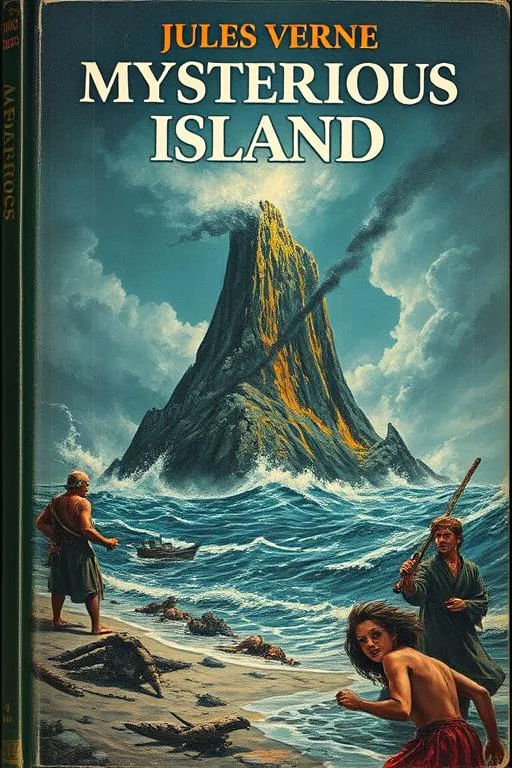
Where Wells was a social commentator, Jules Verne was an engineer of the imagination. Twenty Thousand Leagues Under the Sea (1870) described a submarine in technical detail decades before one existed. Journey to the Centre of the Earth (1864) mapped a world no one had seen. Around the World in Eighty Days (1872) turned the planet itself into an adventure.
Verne's gift was making the impossible feel plausible. His stories move fast, his characters are vivid, and the science — while dated — was serious for its time. He is still one of the most translated authors in history.
Where Did Science Fiction Begin?
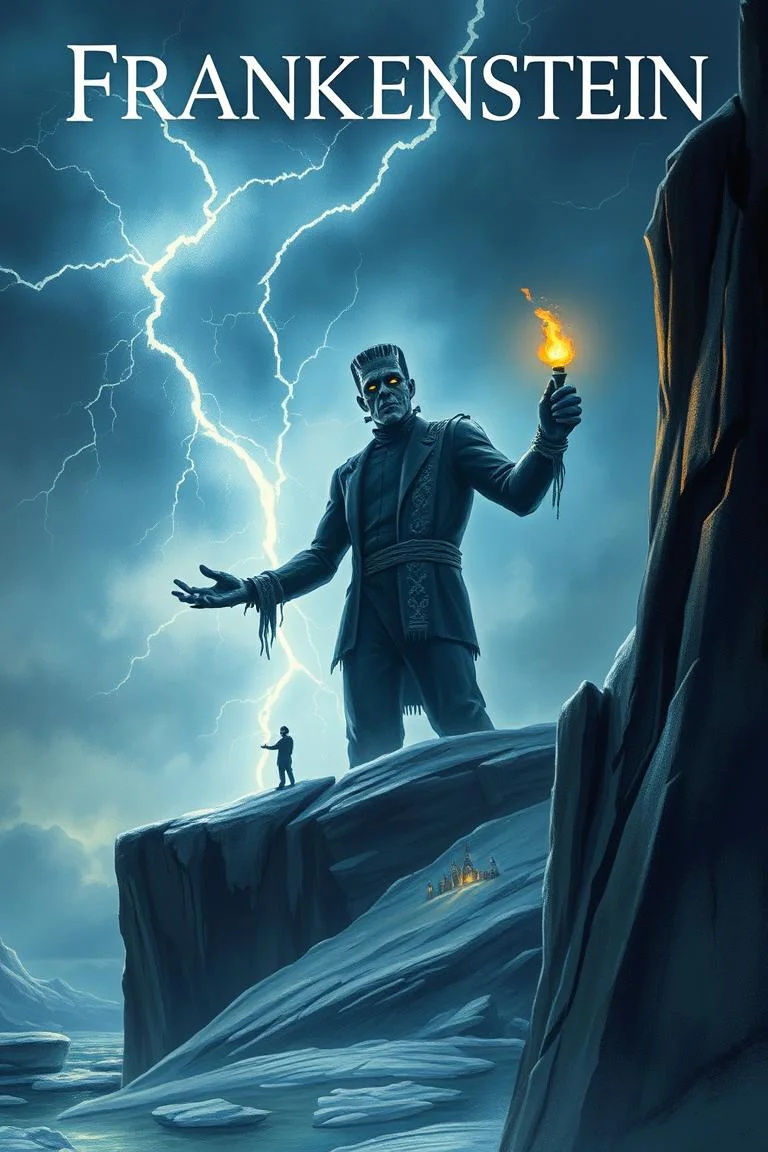
Most scholars point to Mary Shelley's Frankenstein (1818) as the first true science fiction novel — a story about what happens when creation escapes the creator. That question is still asked in every AI lab on earth today. Edgar Allan Poe's science-tinged horror stories and stories like The Strange Case of Dr Jekyll and Mr Hyde by Stevenson also sit on the boundary between gothic fiction and the science fiction tradition that followed.
Classic Sci-Fi: Common Questions
What is classic science fiction?
Classic science fiction explores the consequences of science and technology on society and the human condition. H.G. Wells and Jules Verne are the founding fathers of the genre.
Who invented science fiction?
H.G. Wells and Jules Verne are widely credited as the founding fathers. Mary Shelley's Frankenstein (1818) is often cited as the very first science fiction novel.
Are classic sci-fi novels free to listen to?
Yes — classic science fiction by Wells, Verne and others is in the public domain and streams free here. No signup, no ads, no subscription.
Where can I listen to H.G. Wells audiobooks free?
Right here — The War of the Worlds, The Time Machine, The Invisible Man and more, streaming free. No app, no login required.
Free forever. No ads. No sign-up.
About These Audiobooks
Classic science fiction is one of literature's great gifts — the genre that asked "what if?" before anyone else dared. From the Martian war machines of Wells to the ocean depths of Verne, these stories pushed the boundaries of what a novel could imagine.
Every audiobook uses a different natural neural voice, chosen to match the character and tone of each story. Verne's adventure stories sound different from Wells's social satire. Because they are different — and they deserve to be heard that way.
All titles are in the public domain. All stream directly in your browser. No app, no account, no subscription — completely free, forever.